



Metal Roofer in Reading, MA

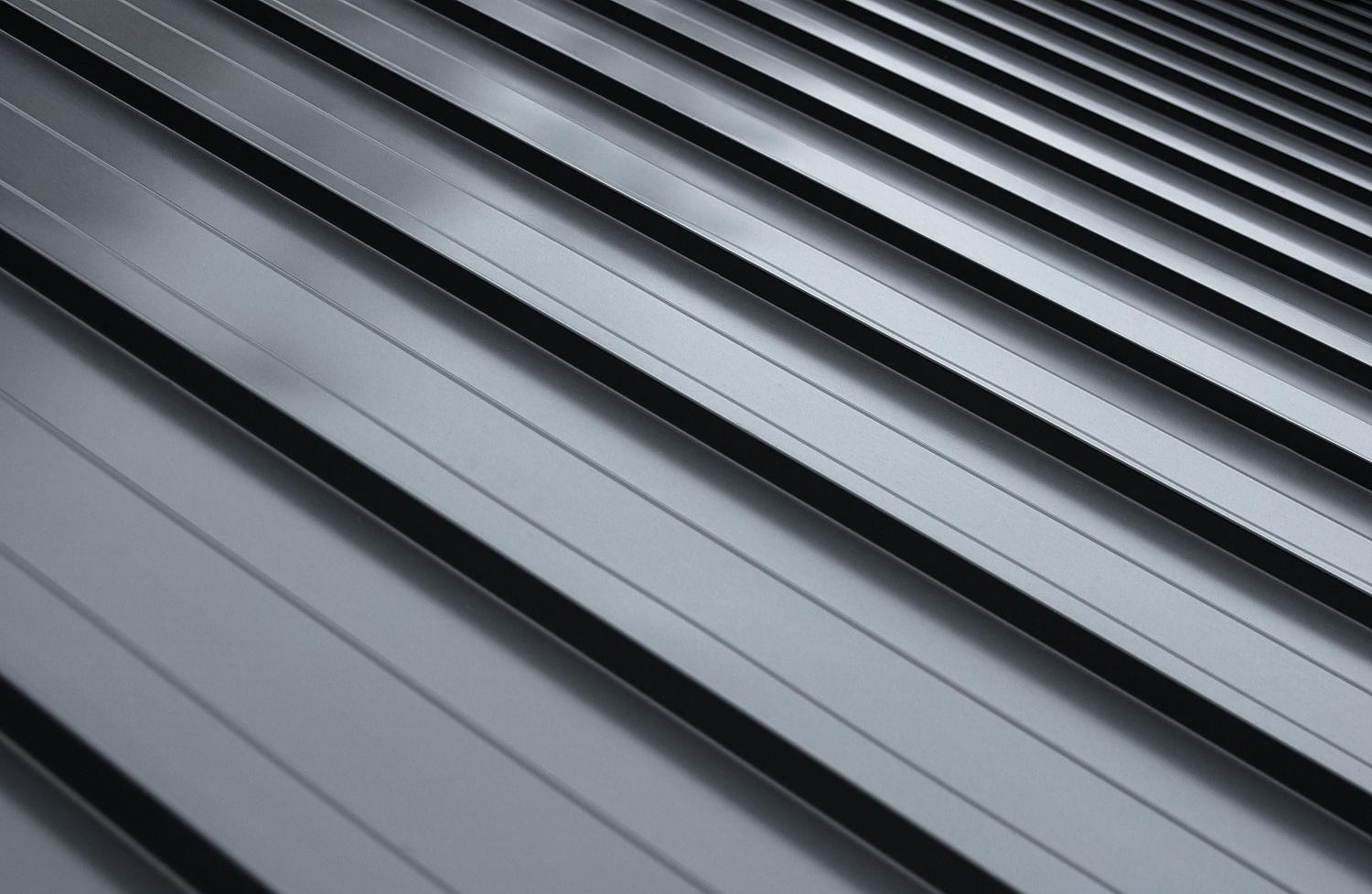
Metal roofing in Reading, MA. Standing seam for ice-prone sections, low-slope additions, and homeowners who want a multi-decade roof. Google Guaranteed. 150+ five-star reviews.
Metal roofer in Reading, MA providing residential roofing upgrades
D&G Exteriors is a Google Guaranteed company!
Certainteed Saint-Gobain Shingle Master Certification
D&G Exteriors is a Trex Certified deck installer!
Better Business Bureau A+ Accreditation
D&G Exteriors is Certainteed 5-Star siding contractor certified.
D&G Exteriors is a timertech pro contractor!
James Hardie Elite Preferred Certification
Metal roofing services in Reading, MA for long-lasting performance

Why Reading Homeowners Choose D&G for Metal Roofing

Reading’s colonials and capes with standard steep pitches do perfectly well with architectural asphalt shingles at half the price. But Reading also has a lot of homes with enclosed porch roofs, sunroom additions, and low-slope garage sections that fail repeatedly with shingles — and those are exactly the situations where standing seam metal is the right answer.

CUSTOMER FEEDBACK ・ HEAR FROM OUR CLIENTS

Reading's Top-Rated Metal Roofing Company!

5.0 Stars Across 150+ Reviews

How We Approach Metal Roofing in Reading

Metal punishes shortcuts. A shingle slightly out of alignment blends in — a metal panel out of alignment is visible from the sidewalk. Every measurement, every cut, every flashing detail has to be precise. That changes how we plan and execute the project.

Metal roofer near me in Reading, MA offering expert installations
FREQUENTLY ASKED ・ ANSWERS TO YOUR QUESTIONS

FAQs About Metal Roofing Services in Reading, MA

How long does it take to install a metal roof in Reading, MA?

Plan on roughly 2–3x the cost of a quality asphalt shingle roof. For most Reading homes, a metal roofing project runs between $30,000 and $60,000+ depending on the area being covered and roofline complexity. Most Reading homeowners installing metal aren’t covering the entire roof — they’re targeting a specific problem section. A partial metal installation on a low-slope addition or porch roof costs significantly less than a full-house metal roof.

Quite possibly. Low-slope porch roofs on Reading’s postwar capes are one of the most common metal applications we do. Shingles on low pitches can’t shed water and snow effectively, and ice dams form along those sections every winter. Standing seam handles low slopes better, sheds snow before it dams up, and eliminates the chronic repair cycle. We’ll inspect the section and tell you whether metal or a membrane system is the better solution.

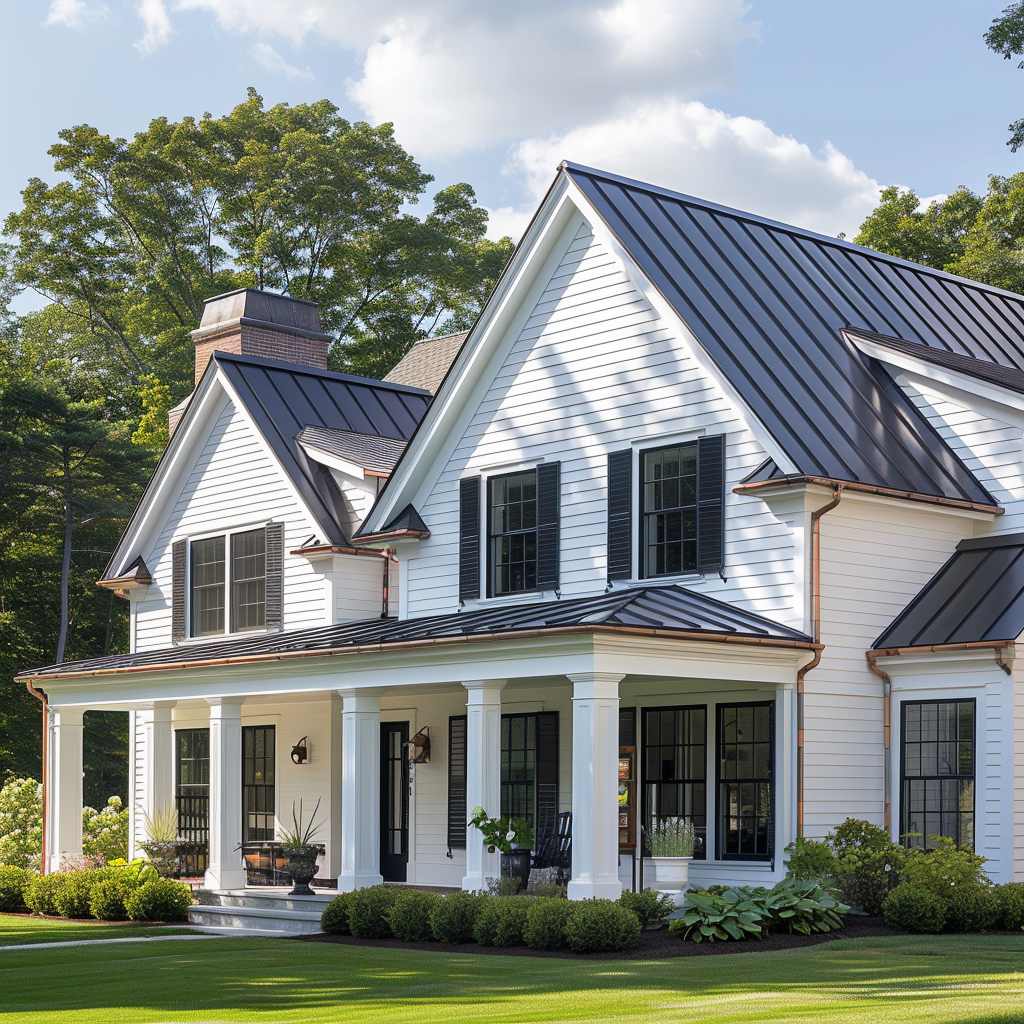
Standing seam has a clean, understated profile that works well with traditional Middlesex County architecture — it’s not the corrugated barn look people picture. That said, we don’t recommend metal on every home for aesthetic reasons alone. For Reading’s older colonials and historic homes along Woburn Street, the roof material needs to suit the era and character. We’ll talk through what fits visually and functionally.

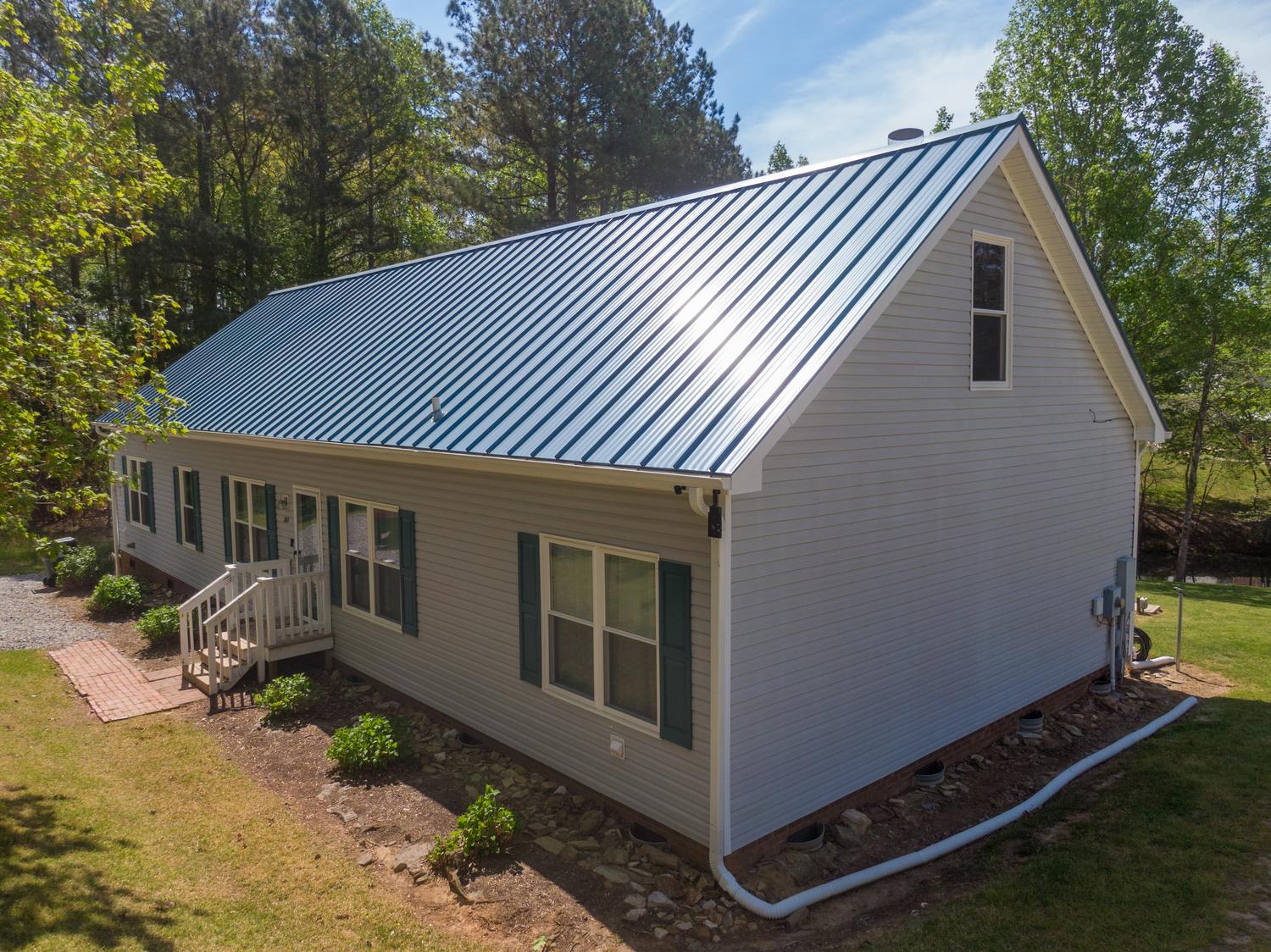
Yes. The noise concern comes from uninsulated agricultural buildings with panels screwed directly to open rafters. A residential standing seam roof sits over solid plywood sheathing, synthetic underlayment, and an insulated attic space. Inside the house, you won’t notice a difference between metal and shingles during a rainstorm. It’s a valid question — but it’s a solved problem.

This is our most common metal application in Reading. The main roof keeps shingles (where they perform well on steeper pitches), and the problem section — a porch, a low-slope addition, a bump-out — gets standing seam. The critical detail is the transition flashing where the two systems meet. That junction determines whether the project works long-term or becomes a new leak source, and we fabricate it to precise measurements.

Because they don’t belong on houses. Exposed-fastener systems rely on screws driven through the panel face, sealed with rubber washers that dry out and crack within 10–15 years. Every screw becomes a potential leak. Standing seam panels lock together mechanically with no surface penetrations. If we’re putting a metal roof on a Reading home and asking someone to invest $30,000+, it needs to be a system without built-in failure points.

Forty to fifty years or more with basic maintenance. The panels resist wind, impact, and fire better than shingles, and they won’t develop the moss or algae staining common on shaded Reading roofs. Maintenance is minimal — periodic inspection of flashing connections and sealant points, but no shingle replacement, no granule loss, and no curling to worry about over the decades.

CertainTeed Master Craftsman certified, Google Guaranteed, BBB Accredited with an A+ rating, and NRCA Affiliated. Our primary certification is through CertainTeed for asphalt roofing systems. Metal is a smaller share of our work, and we’re transparent about that. But the project management, installation precision, and flashing quality are the same standards we bring to every job – metal or otherwise.